
Corneal Cross-Linking
What Is Corneal Cross-Linking?
Corneal cross-linking is an advanced eye treatment offered at BVA Advanced Eye Care designed to strengthen and stabilize the cornea, particularly for patients with keratoconus. This condition causes the cornea to weaken and bulge, leading to distorted vision. This treatment helps prevent further thinning and distortion, preserving vision and slowing the progression of keratoconus. Corneal cross-linking is a safe and effective way to stabilize the cornea. To learn more about this procedure and how it may help you, contact one of our locations in or around Oklahoma City, OK.
How Is Corneal Cross-Linking Performed?
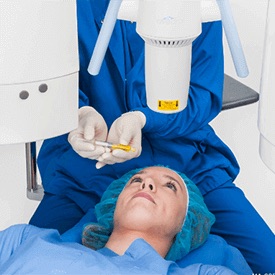
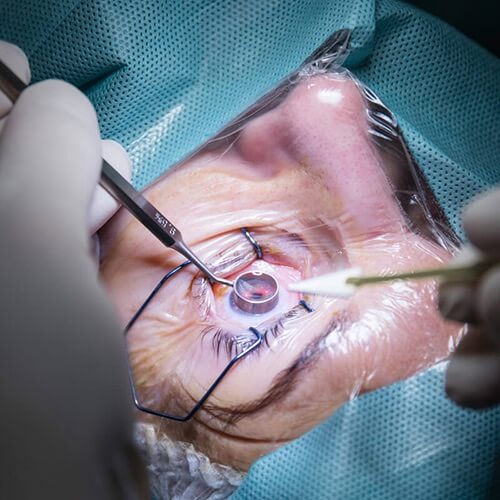
Corneal cross-linking surgery is a minimally invasive procedure. During the procedure, the eye is numbed with anesthetic drops, and the outer layer of the cornea (epithelium) may be removed to allow better absorption of riboflavin (vitamin B2). Once the riboflavin drops are applied to the cornea, a controlled ultraviolet (UV) light is used to activate the solution. This process strengthens the collagen fibers within the cornea, helping to stabilize its structure. The procedure typically takes about an hour, and recovery time varies depending on the individual.
What Are the Benefits of Corneal Cross-Linking?
The benefits of corneal cross-linking include:
- Stabilizes the progression of keratoconus
- Strengthens the corneal structure
- Improves vision clarity for some patients
- Helps delay or avoid the need for a corneal transplant
- Minimally invasive with a relatively short recovery time
Corneal Cross-Linking FAQ
How long does the recovery from corneal cross-linking take?
Recovery time after corneal cross-linking can vary depending on the individual, but most patients notice improvement in their symptoms within a few weeks. You may experience some mild discomfort, light sensitivity, or blurry vision during the initial healing phase.
Will I need to wear special lenses after corneal cross-linking?
Many patients find that they still need to wear glasses or contact lenses to correct their vision after corneal cross-linking, but the procedure can help improve lens fit and stability. Your eye care provider will discuss any changes in your vision and lens use following treatment.
Can I drive after corneal cross-linking?
Immediately after corneal cross-linking, you should arrange for someone to drive you home since your vision will be temporarily blurry or sensitive. Most patients are able to resume driving within a few days once their vision stabilizes.
Strengthen Your Vision
If you’ve been diagnosed with keratoconus or are experiencing corneal thinning, corneal cross-linking could help protect your vision. At BVA Advanced Eye Care in and around Oklahoma City, OK, we offer advanced treatments to stabilize your cornea and potentially improve your sight. Schedule a consultation today to learn if corneal cross-linking is the right option for you!
Related Procedures


*Individual results are not guaranteed and may vary from person to person. Images may contain models.