

Many people hear the word “cataract” and assume they should wait until their vision gets truly bad before doing anything about it. That advice might have made sense a generation ago, but cataract care has changed. Today, the right time for surgery depends mostly on how the cataract affects your daily life, work, and mobility.
At BVA Advanced Eye Care, experienced cataract surgeons help patients across Oklahoma weigh these factors every day. Here is what goes into that decision and how to tell whether you have reached that point.
The Old “Ripe Cataract” Idea No Longer Applies
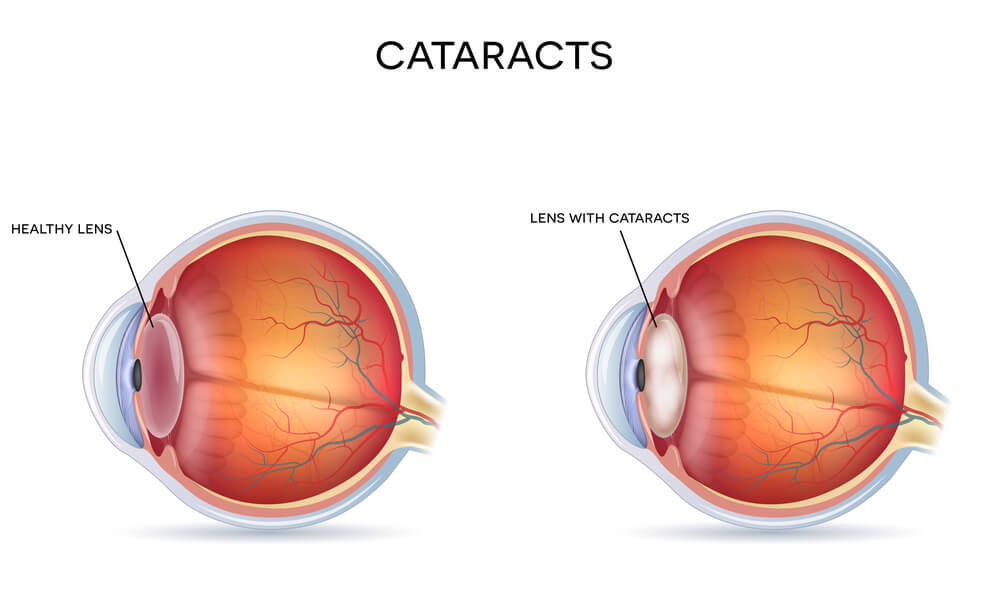
Decades ago, surgeons often told patients to wait until a cataract was “ripe,” meaning hard and fully developed. Older techniques removed the lens in one piece through a large incision, and a mature cataract made that process more manageable. Recovery took weeks and carried more risk, so delaying surgery made practical sense.
Modern cataract surgery works differently. Surgeons now break up the cloudy lens, remove it through a tiny incision, and replace it with a clear intraocular lens (IOL). At BVA, laser cataract surgery uses a femtosecond laser to create precise incisions and soften the lens before removal.
Because the procedure is faster and gentler than older methods, waiting for a cataract to reach a certain stage offers no benefit. Surgeons now base timing on how much the cataract interferes with your life.
Signs Your Cataract Is Affecting Daily Life
Cataracts develop slowly, so many people adapt without realizing how much their vision has changed. They add a brighter lamp, stop driving after dark, or give up a hobby without connecting it to their eyes. These small adjustments often give the clearest answer about timing.
Driving Has Become Stressful
Night driving is often the first time patients notice cataracts affecting their vision. A cataract scatters light as it enters the eye, so oncoming headlights may look like starbursts or carry bright halos. Streetlights can create glare that washes out the road ahead. Some people struggle to read highway signs until they are close, or feel uneasy in rain and fog. If you now plan errands around daylight hours or ask someone else to drive at night, your cataract is already shaping your routine.
Reading and Hobbies Take More Effort

A cloudy lens reduces contrast and dims the light reaching the retina. Reading a restaurant menu, following a recipe, or threading a needle may require much more light than before. Colors can lose their vibrancy and take on a yellow or brown tint, which some people only notice after surgery on the first eye. Golfers may lose track of the ball against the sky, and people who quilt, paint, or do woodworking often find fine detail harder to see.
New Glasses No Longer Help
Early cataracts can change the eye’s focusing power, so your prescription may shift more often than usual. For a while, updated glasses restore sharp vision. Eventually, the cloudiness itself becomes the problem, and no lens in front of the eye can correct it. When a new pair of glasses brings little or no improvement, the cataract has usually progressed beyond what eyewear can address.
When Safety Becomes a Factor
Vision changes carry real safety consequences, especially for older adults. Reduced depth perception and contrast make it harder to judge steps, curbs, and uneven ground, increasing fall risk. Poor night vision affects your safety behind the wheel and the safety of everyone else on the road.
Drivers must also meet minimum vision standards, and an advancing cataract can make those harder to pass. Any of these concerns gives you strong reason to talk with your eye surgeon about treatment sooner rather than later.
Is There a Downside to Waiting Too Long?
Cataracts aren’t an emergency for most people, and waiting usually does no harm as long as your vision still meets your needs. However, waiting indefinitely can create problems. A very dense cataract makes surgery more complex because the lens becomes harder to break up and remove. That added complexity can lengthen the procedure and raise the chance of inflammation or other complications during healing.
A dense cataract can also block your doctor’s view of the back of the eye. Macular degeneration, diabetic retinopathy, and glaucoma-related optic nerve changes become harder to detect and monitor when the lens is too cloudy to see through. In rare cases, an extremely advanced cataract can swell and raise eye pressure. Regular exams let your eye doctor track the cataract and catch these risks before they cause vision damage.
What Your Eye Exam Reveals
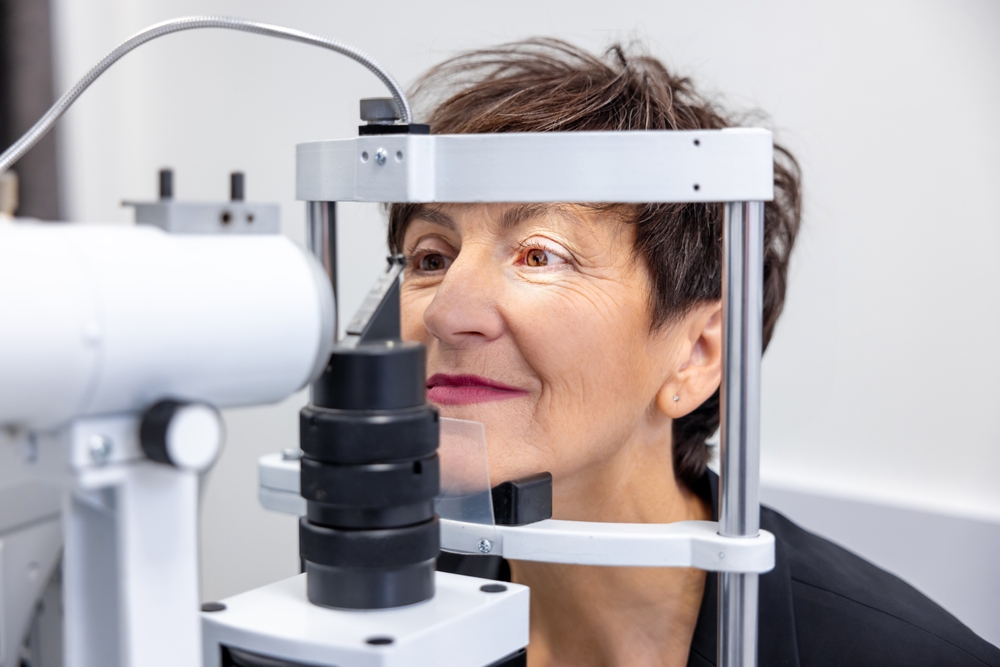
Your symptoms carry the most weight in this decision, but a thorough exam adds important detail. During a cataract evaluation at BVA Advanced Eye Care, the team measures your visual acuity, checks how glare affects your sight, and examines the lens with a slit lamp to gauge the type and density of the cataract.
Your cataract surgeon then compares those findings with your description of daily life. Two people with similar-looking cataracts may reach different decisions. A retiree who rarely drives at night may feel comfortable waiting, while a working professional who commutes before dawn may want surgery right away.
Wondering whether your cataracts are ready for treatment? Schedule an appointment at BVA Advanced Eye Care in Oklahoma City, OK, and let our experienced team help you decide.